3D Design
Behind every successful live event is a huge amount of planning long before the first piece of equipment arrives on site. At CPL, 3D design plays a key role in helping clients visualise their event, turning early ideas into a clear and detailed production plan.
Led by our Design and Sales Manager, Sam, the 3D design process allows concepts to be developed, tested and refined in a realistic environment before the build begins. It’s a process that combines creativity with technical planning, ensuring that every element of the design works both visually and practically.
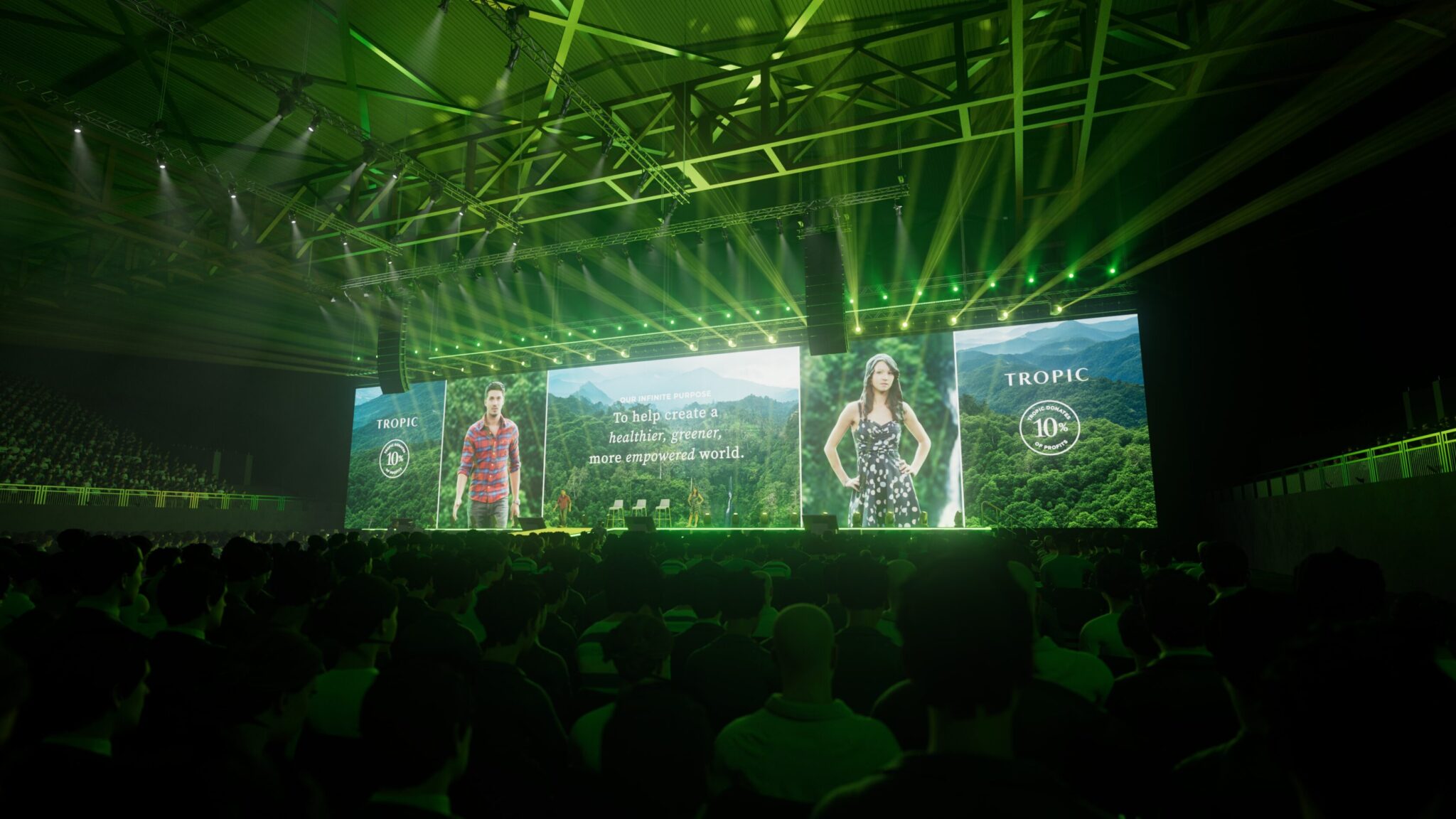
A recent project where this process played a key role was Tropic’s Glammies 2025, Tropic Skincare’s annual awards event. Known for its scale and ambition, the event continues to evolve each year, with the client pushing for a bigger and more immersive experience.
Designing for Flexibility
For the 2025 show, the creative direction was established early, with a Wicked-inspired theme shaping the initial concepts. Early design discussions explored a range of scenic ideas, looking at how physical set elements could be used to bring the theme to life. However, as the event structure developed, it became clear that flexibility would be key.
“With so many different elements in the show, from performances and awards to product reveals, the design needed to work across a range of moments,” Sam explains. “Some sections leaned heavily into the theme, while others needed a cleaner, more neutral look.”
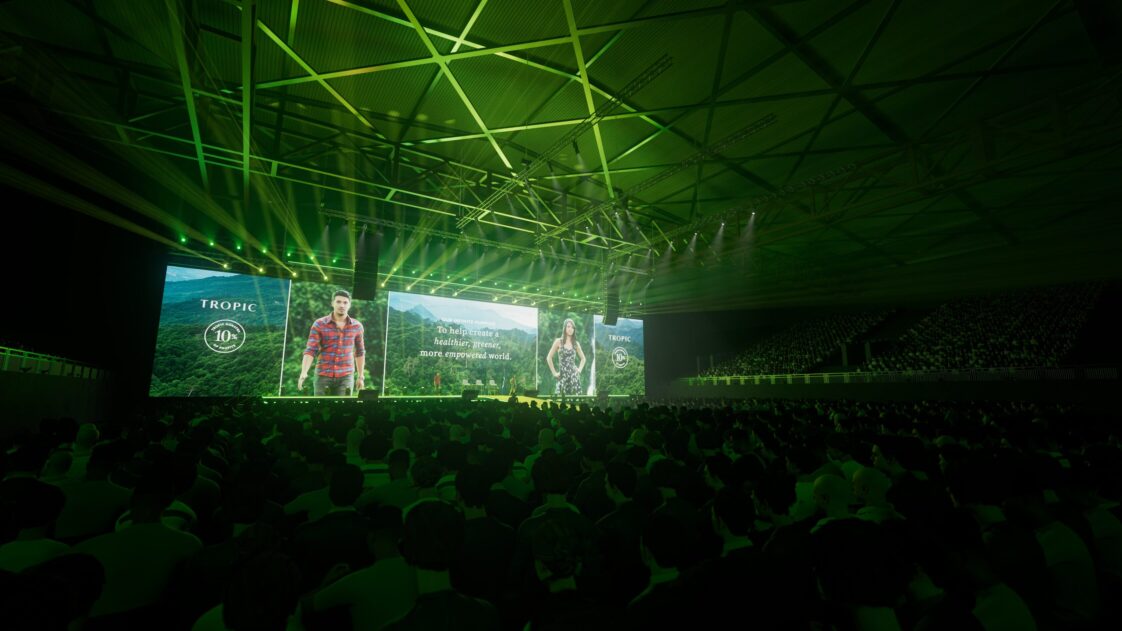
This led to the development of a large-format LED design, creating a wide visual canvas that could adapt throughout the show. By using LED as the primary scenic element, the content could evolve in real time, allowing the look and feel of the stage to shift between themed moments and more corporate sections without physical changes to the set.
Refining the Design
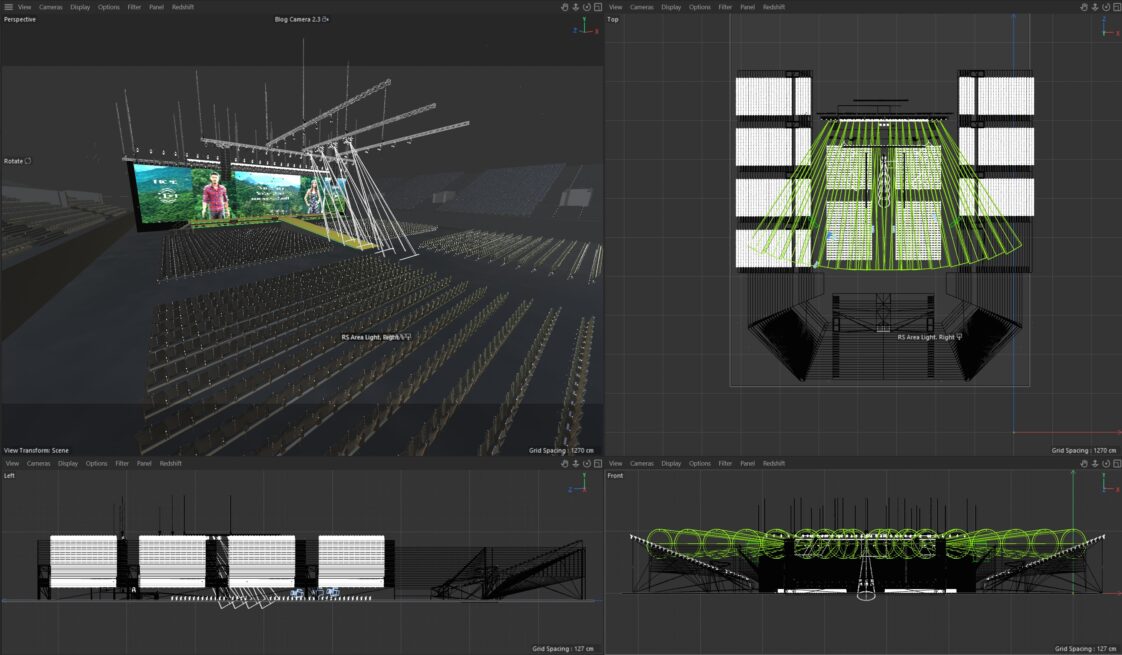
The 3D design process played a critical role in shaping this approach. Starting with an accurate model of the venue, different layouts were tested by introducing stages, screens and lighting positions into the space. Early concepts focused on structure and scale, allowing multiple ideas to be explored quickly.
Even after settling on the wide screen concept, the design continued to evolve through multiple iterations. Screen configurations were adjusted, staging layouts refined and proportions tweaked to ensure the final design worked from every angle.
“We went through several versions before landing on the final design,” says Sam. “It’s about getting everything right, not just visually, but in terms of how the space works for performers, presenters and the audience.”
From Render to Reality
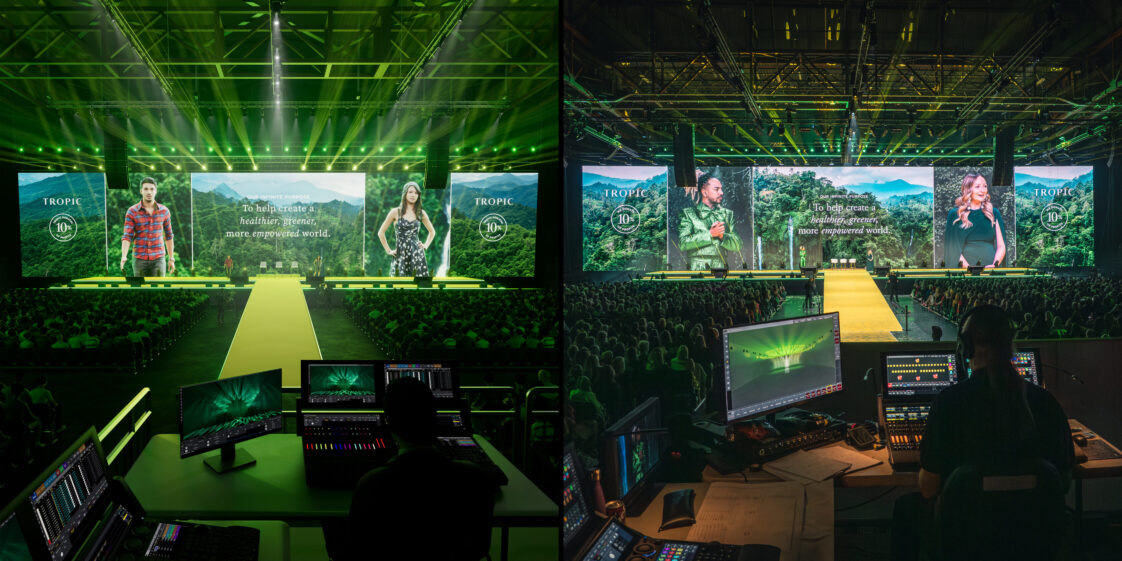
As the design developed, branded content and graphics were introduced to bring the concept closer to the final look. The model was then taken into the rendering stage, where materials, lighting and environmental details were added to create realistic visualisations.
Lighting played a key role in this stage, both in terms of illuminating the scene and simulating the show lighting itself. By introducing digital versions of real fixtures and positioning them accurately within the model, it was possible to create a close representation of how the lighting design would interact with the stage and screens during the live event.
The final renders were then used as part of a detailed proposal document, alongside technical information including dimensions, specifications and layout plans. This allowed the client to fully understand both the creative vision and the practical delivery of the event.
For events like Wickedly Tropic 2025, 3D design is more than just a visual tool. It’s a key part of the production process, helping to refine ideas, solve challenges early and ensure that what’s delivered on site matches the vision developed during planning.
At CPL, it’s how we make sure every project starts with clarity, confidence and a design that’s ready to perform in the real world.


