Powering shows with Kairos
As live productions evolve, the technology behind them is changing just as quickly. At CPL, we’re always looking at how new systems and workflows can improve flexibility, scalability and creative control. One of the most significant additions to our production toolkit has been the Panasonic Kairos Live Production Platform.
Kairos represents a move away from traditional baseband switching towards a fully IP-based approach to live video production. Built around the SMPTE ST 2110 standard, it separates video, audio and metadata into individual IP streams that can be routed across a network infrastructure. This lets us build flexible systems where signals can be distributed and reconfigured quickly, without the limitations of fixed hardware routing.

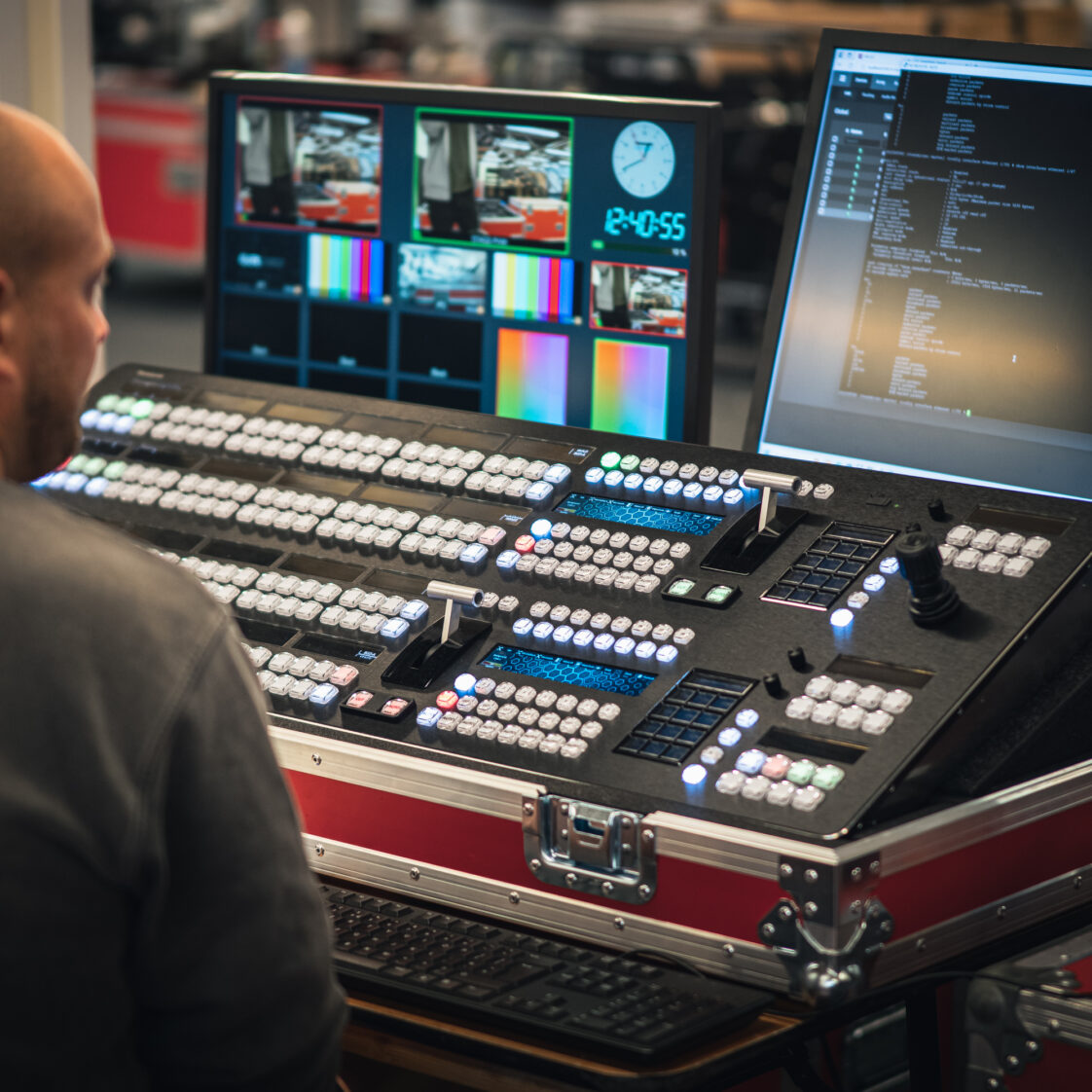
At the core of CPL’s system are the AT-KC2000S1 mainframe, alongside the AT-KC10C1 and AT-KC10C2 control panels, giving our operators the processing power and control needed for complex live productions. The platform’s GPU-based processing and node architecture mean we’re no longer restricted by the traditional limits of hardware-based switchers.
As CPL Production Director Lee Gruszeckyj explains:
One of the biggest advantages of Kairos is the freedom it gives you as an operator. Because the system isn’t tied to fixed mix effects, you can build far more complex scenes and layouts without constantly battling hardware constraints. It lets you concentrate on the creative side of the show rather than working around technical limitations.
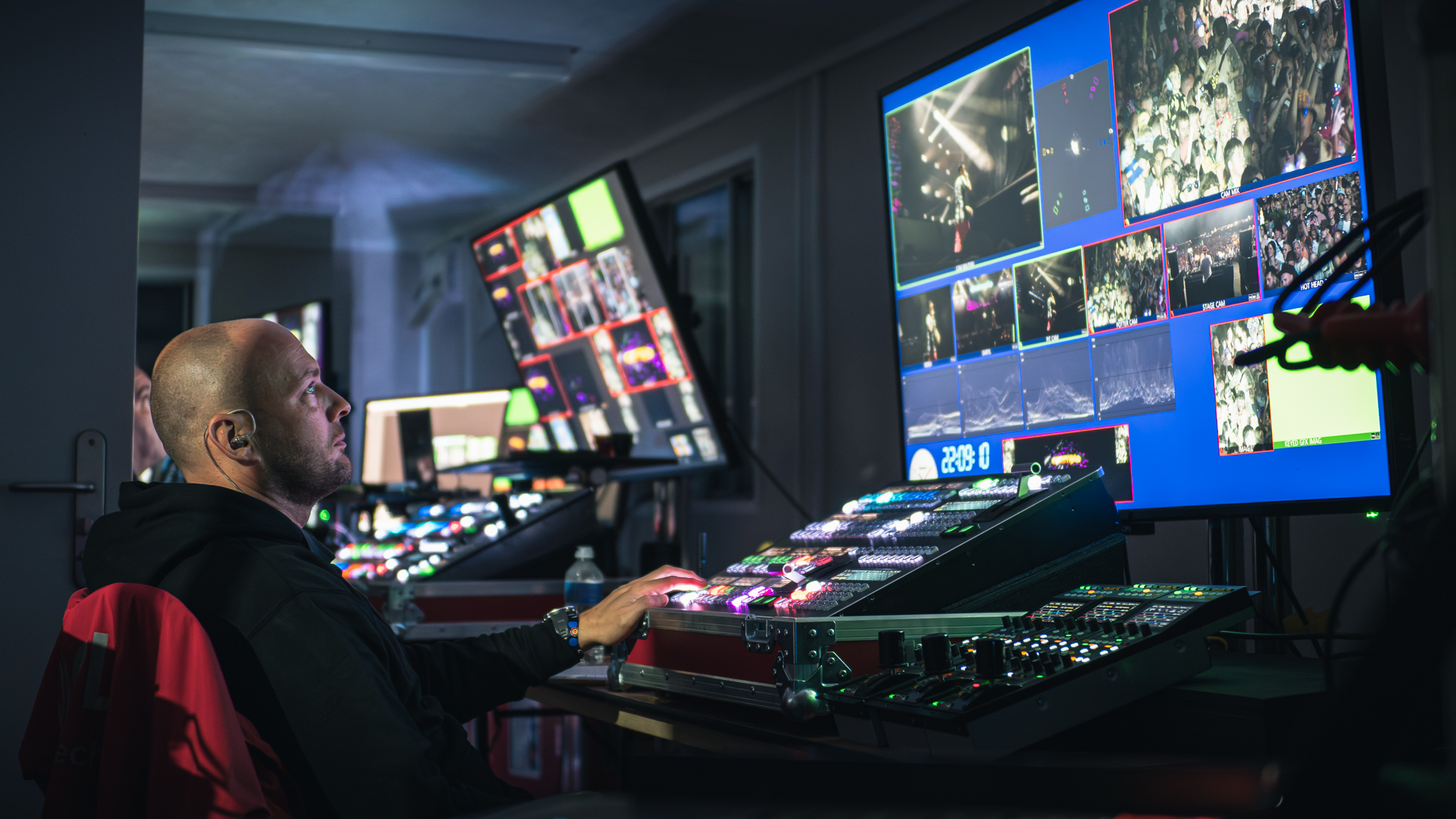
Kairos has already been deployed on shows including Wickedly Tropic 2025 and Camper Calling 2025, where it formed the heart of a fully IP-based 4K production environment. At Camper Calling, Kairos handled multi-camera switching, graphics layering and signal routing across multiple high‑resolution outputs on site.
On a festival site you’ve got sources and destinations everywhere – cameras in the pit, LED walls on multiple stages, recorders and streaming encoders in a central compound,” says Lee. “With an IP-based system we can move signals wherever we need them, quickly and cleanly. Adding another screen or re‑patching a feed is a network change, not a rewiring exercise.
Using ST 2110 brings clear benefits on large shows: scalability as cameras and screens are added, low latency to keep IMAG in sync with the stage, flexible routing so any signal can be sent anywhere, and reduced cabling for faster setup and derig. The result is a production system that behaves more like a broadcast facility than a traditional live event control setup.

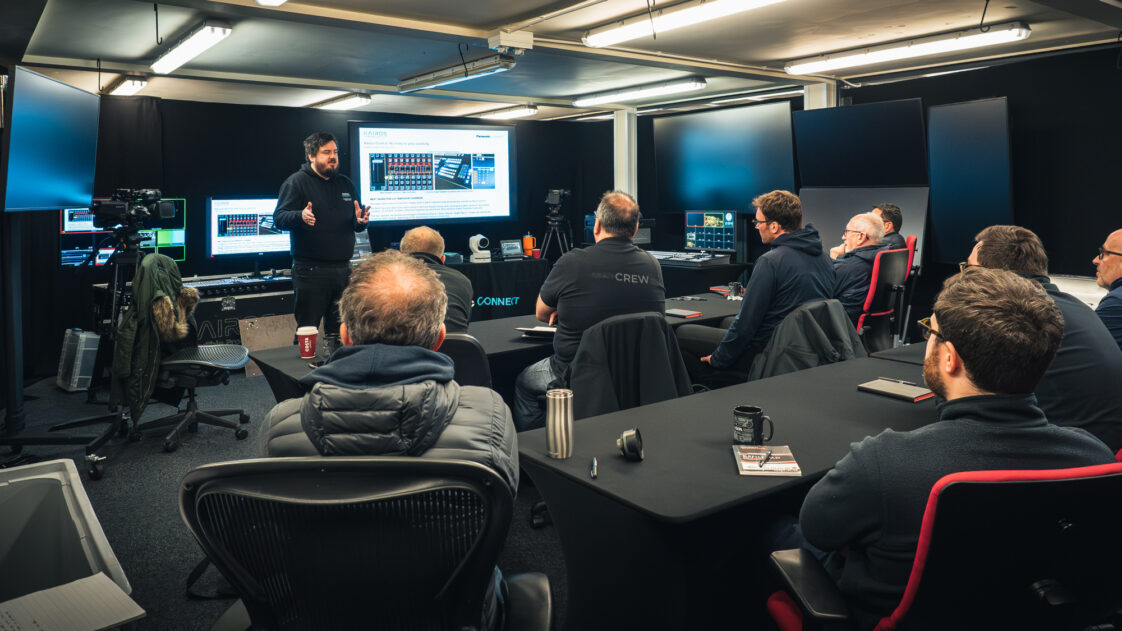
Our investment in Kairos is also about people, not just infrastructure. CPL runs hands-on Kairos training sessions at our offices, delivered with the support of Panasonic, who provide dedicated Kairos trainers to help participants get the most from the system. These sessions give visiting professionals, freelancers and partners the opportunity to explore ST 2110 workflows and the Kairos interface in a focused, practical environment.
By opening up our facilities for training, and working closely with Panasonic’s own specialists, we’re helping more operators and engineers understand IP-based production and feel confident stepping into shows that use the platform,” Lee adds. “The more people who are comfortable on Kairos, the more we can push what it does on live shows.
These sessions are helping to onboard more professionals into the system and accelerate the wider transition away from traditional baseband infrastructure, while also ensuring CPL can call on a growing pool of skilled Kairos operators for future projects.
What excites us most about Kairos is how naturally it fits into modern IP workflows, from camera to screen, across multiple venues and formats. We’re able to manage uncompressed 4K signals, deliver complex multi-layered looks and route everything over the network in real time, effectively bringing broadcast-grade infrastructure into the live events world.
For CPL, investing in platforms like Kairos is about more than just adopting new technology. It’s about building production systems – and supporting the professionals who run them – that are ready for what comes next. As resolutions climb and shows demand more screens, more content and more complex visual environments, platforms such as Kairos give us the flexibility and scalability to deliver the next generation of live experiences.